
This post contains an Amazon affiliate link. I may earn a small commission at no extra cost to you.
So, your doctor just told you to go high protein and lose some weight, and your first thought was “okay, but who’s going to cook all that,” you’re dealing with a problem a lot of high-protein advice doesn’t account for. The short answer is this: you don’t need to cook every day to eat well. You need one real cooking session a month, a freezer, and a few go-to meals you can pull out on repeat.
Here’s the thing nobody says out loud. Plenty of us actually enjoy cooking. It’s not the cooking itself that’s the problem, it’s cooking for one. A recipe built for four people, the cleanup, the leftovers nobody else is going to eat, it adds up to a lot of effort for one plate. So the motivation quietly disappears, not because you stopped liking it, but because the math stopped making sense.
High protein diets work because protein keeps you full longer and helps your body hold onto muscle while you lose weight, which matters more than the number on the scale. But that only helps if you’re actually eating it regularly. So let’s talk about how to get real protein on your plate without needing a reason to cook every single day.
Here’s What We’re Covering
- Why high protein actually helps with weight loss (the real science, in plain language)
- The honest truth about why cooking for one is its own kind of hard
- A simple system: cook once, freeze in single portions, reheat for weeks
- Specific proteins and easy recipes built for a household of one
- Answers to the questions you’re probably already asking
The Real Talk
Most meal advice is written for families. Four servings here, a pan of enchiladas there, a pot of soup that feeds six. When you’re cooking for one, that same recipe means either eating the same thing five nights straight or throwing half of it away. Neither one feels great, and over time it’s just easier to stop cooking real meals altogether.
Here’s what I’ve found, though. The fix isn’t to stop cooking, it’s to stop cooking on a daily schedule. A big batch of protein made once, portioned out properly, and frozen solves the exact problem that recipes-for-four create. You still get to actually cook, on your own terms, and then you’re not obligated to cook again for weeks.
The Evidence
Here’s why your doctor isn’t just picking protein at random.
Protein keeps you full, which is the whole game. High-protein diets improve appetite regulation through increased GLP-1 and GIP secretion and reduced ghrelin levels, the hormones that control hunger and fullness. Translation: you feel satisfied on fewer calories, which makes weight loss less of a battle against your own stomach.
It’s not just about weight, it’s about what kind of weight you lose. High-protein diets are more effective than lower-protein diets for preserving muscle mass and preventing metabolic slowdown during weight loss. That matters because losing muscle along with fat can actually slow your metabolism down over time, making it harder to keep weight off later.
Protein does more than curb hunger. High-protein diets promote weight loss by increasing satiety, thermogenesis, energy expenditure, and preserving fat-free mass, so your body is working a little harder just to process what you’re eating.
Freezing single portions solves the cooking-for-one problem directly. Storing meat and poultry in individual serving portions before freezing means it thaws faster and you only eat what you planned to eat, without overdoing the portions or letting food go to waste.
It holds up longer than you’d think. Most cooked foods can be preserved in the freezer for 2 to 3 months, so one real cooking session, done properly, can carry you for weeks.
The Solution

Chicken breasts from InstaPot to freezer
Here’s the system, and it actually lets you keep the part of cooking you enjoy.
Pick a day once a month and cook a real batch. Six chicken breasts in an Instant Pot or slow cooker, shredded once they’re done, is an easy place to start. It’s still real cooking, it just isn’t every-day cooking.
The difference-maker is what happens next. Instead of freezing it as one big block, portion it out into single servings before it goes in the freezer. That one step is what turns a family-sized batch into a month of individual, cooking-for-one meals.
From there, that shredded chicken becomes the base for meals that actually feel like meals, not sad desk lunches:
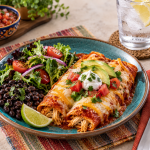
- Enchiladas — mix the chicken with beans, cheese, and enchilada sauce, roll it into tortillas, and either bake a small dish that night or freeze it unbaked in individual portions
- Stir-fry — a hot pan, the chicken, frozen stir-fry vegetables, garlic, and soy sauce, done in under 15 minutes for exactly one plate
- Soup or chili — chicken, beans, canned tomatoes, simmered once and frozen in single containers for weeks of ready-made lunches
- Egg muffin cups — a separate protein option, baked once, microwaved from frozen in under two minutes, sized for one from the start
You still get your cooking day. You just don’t have to have one every day.
Steps to Get Started This Week
1. Pick one protein and commit to batch-cooking it monthly. Chicken breast is the easiest starting point because it works in the widest variety of meals and freezes beautifully.
2. Cook it once, in a real batch. Six breasts at a time in an Instant Pot, slow cooker, or oven gives you weeks of meals from one cooking session.
3. Portion it into single servings before it hits the freezer. This is the step that actually solves cooking for one. Label and date everything.
4. Build two or three “formulas” you can rotate. Enchiladas, stir-fry, soup. Enough variety that you’re not eating the same thing every night, without needing twenty different recipes.
5. Keep a few freezer-friendly extras on hand. Frozen stir-fry vegetables, canned beans, and a good sauce mean you’re never more than 15 minutes from a real, made-from-scratch meal.
6. Let a reheated meal count as a real meal. You already did the cooking. Reheating it later isn’t cutting corners, it’s just spacing out the work.
Questions You Might Be Asking
Do I have to eat chicken every day to hit my protein goal? No. Chicken is just an easy starting point because it freezes and reheats so well. Eggs, beans, Greek yogurt, and fish all count too, and mixing sources gives you a wider range of nutrients.
Will freezing ruin the texture of the food? Not if you freeze it right. Foods that hold a lot of water when cooked, like plain potatoes, pasta, or rice, don’t freeze as well on their own, but proteins, soups, and sauced dishes like enchiladas hold up nicely.
How long can I actually keep frozen meals before they go bad? Most cooked meals stay good in the freezer for about 2 to 3 months as long as they’re stored properly at a consistent temperature. Labeling with the date is the easiest way to keep track.
Is high protein actually backed by research, or is it just a trend? There’s real research behind it. High-protein diets promote weight loss by increasing satiety, thermogenesis, energy expenditure, and preserving fat-free mass, with particular benefit for people managing weight or blood sugar. As always, it’s worth working with your doctor on the specifics for you.
What if cooking once a month still feels like too much? Start even smaller. One protein, cooked once, portioned into five or six meals, is still five or six nights you don’t have to think about dinner. The goal isn’t a full production, it’s just enough of a head start that a hungry night doesn’t turn into a bag of chips.
Let’s Wrap This Up
Cooking for one doesn’t mean you have to stop cooking, or settle for less. It means the plan has to fit the portion, not the other way around. Cook a real batch when you feel like it, freeze it in single servings, and build a few easy meals around it. That’s a plan built for exactly the household you actually have.
We’re in this together.